
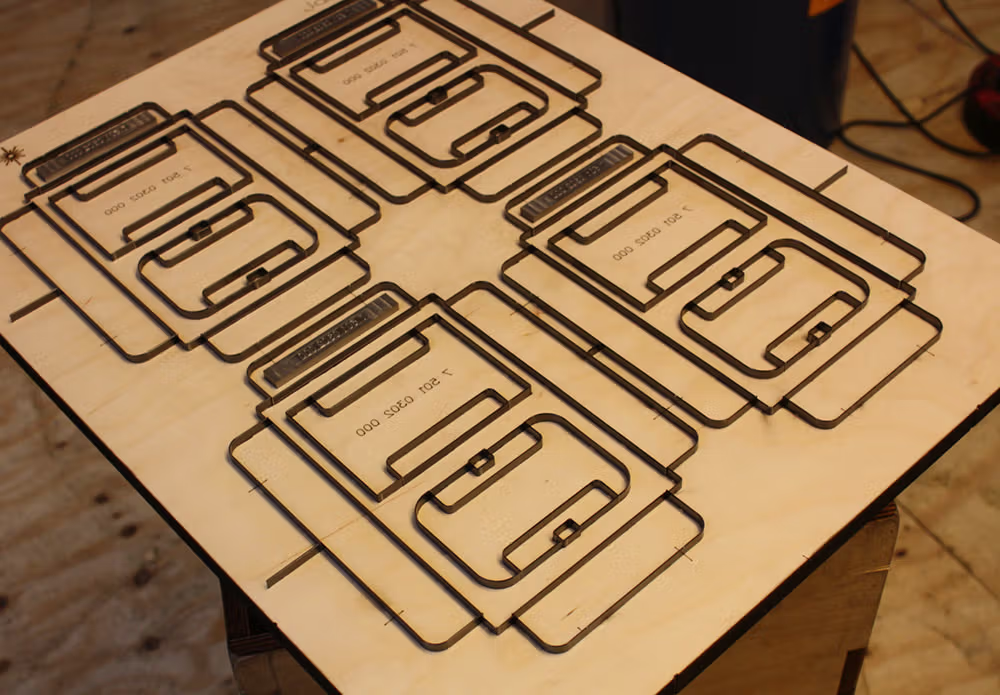
Packaging is more than a protective layer around a product. It helps businesses create a strong first impression, improve product safety, and deliver a memorable customer experience. To achieve these goals, manufacturers need packaging that is precise, attractive, and practical. This is where die cutting plays an important role.
Die cutting allows manufacturers to create packaging in specific shapes and sizes while maintaining consistency across production runs. From custom product boxes to cardboard inserts and retail displays, this process supports creative designs and efficient manufacturing.
What Is Die Cutting in Packaging?
If you have ever opened a product box with perfectly shaped edges, neatly fitted inserts, or specially designed openings, you have probably seen the results of die cutting.
If you are researching what is die cutting, it is a manufacturing process that uses a specially shaped cutting tool, called a die, to cut materials into specific shapes. In packaging production, these materials commonly include paperboard, corrugated cardboard, paper, and certain flexible packaging materials.
Manufacturers design dies according to the packaging’s required dimensions and structure. The cutting process can create outlines, slots, folds, windows, and other features needed to assemble the final package.
For example, a manufacturer producing a custom gift box may use die cutting to create a precise box shape and an insert that holds the product securely in place.
How Does Die Cutting Work?
Die cutting generally involves several steps, although the exact process depends on the packaging material, design, and production equipment.
1. Designing the packaging: First, the manufacturer creates a structural design that defines the package’s dimensions, cutting lines, folding lines, and other features.
2. Preparing the die: A custom die is produced to match the approved design. Traditional dies often use shaped metal blades mounted on a supporting board.
3. Cutting the material: The packaging material is positioned in the cutting machine. Pressure forces the die through the material, creating the required shapes.
4. Folding and assembly: After cutting, the material may be creased, stripped of waste pieces, folded, glued, or assembled into its final form.
Modern production facilities may also use digital cutting systems, which can be useful for prototypes, intricate designs, and short production runs.
What Does Die Cut Mean in Packaging Design?
Understanding the term helps when comparing packaging specifications with manufacturers. Simply put, die cut means that a material has been cut into a particular shape using a die or a suitable cutting system.
A die-cut box, for instance, is manufactured from a precisely cut sheet that can be folded into the required structure. A die-cut insert may feature individual compartments for bottles, electronics, cosmetics, or jewellery.
The term can also describe specific design features, such as a window that allows customers to see the product inside or a handle cut directly into a paperboard package.
These details can make packaging easier to use while giving brands more freedom to develop distinctive designs.
Key Benefits of Die Cutting in Modern Manufacturing
Die cutting offers several practical advantages for packaging manufacturers and businesses.
1. Consistent and Accurate Packaging
Consistency matters when producing hundreds or thousands of packages. A properly prepared die helps manufacturers reproduce the same dimensions and shapes across production runs. This can reduce cutting variations and make packaging easier to assemble.
2. Greater Design Flexibility
Standard rectangular boxes are useful, but some products require more specialized solutions. Die cutting supports custom shapes, product windows, decorative edges, locking tabs, and fitted inserts.
For example, a cosmetics brand can use a custom-cut insert to keep several products organized inside one gift box.
3. Improved Production Efficiency
Once the die and production settings are ready, manufacturers can cut multiple pieces efficiently, depending on the equipment and material. This makes the process particularly useful for repeat orders and large-volume packaging projects.
However, setup costs and production speed vary with design complexity, tooling, and order quantity.
4. Better Product Protection
Well-designed packaging helps prevent products from moving excessively during transportation. Die-cut inserts can hold items in position, reducing the risk of scratches, breakage, and other damage.
This is especially valuable for fragile products, electronics, glass containers, and premium gifts.
5. More Attractive Presentation
Packaging influences how customers perceive a product. Custom shapes, clean edges, and carefully designed openings can make a package look more professional and memorable.
For businesses selling products online or in retail stores, these details can improve the unboxing experience and reinforce brand identity.
Common Applications of Die Cutting
Die cutting is used across many packaging categories. Corrugated shipping boxes rely on precisely cut panels and folding lines. Retail packaging uses custom shapes and display openings to showcase products. Luxury gift boxes may include fitted inserts that improve presentation and protection.
Food packaging can also use die-cut structures for folding cartons, trays, and other formats, provided the materials and manufacturing processes meet applicable food-contact requirements.
Meanwhile, e-commerce brands can benefit from packaging designed to fit their products more closely. A suitable design may reduce unnecessary empty space, although actual material savings depend on the product and shipping requirements.
Is Die Cutting Right for Your Packaging Project?
Before choosing die-cut packaging, consider your product dimensions, material, design complexity, order quantity, and budget. Custom tooling may require an initial investment, making it important to compare setup costs with expected production volume.
Ask your manufacturer about sample production, material compatibility, cutting tolerances, and the complete cost of manufacturing. Testing a prototype before approving a large order can help identify assembly problems and ensure the package protects the product properly.
Conclusion
Die cutting is an important part of modern packaging manufacturing because it combines precision, design flexibility, and production efficiency. It helps businesses create packaging that protects products, supports branding, and delivers a better customer experience.
By understanding the process and evaluating your packaging requirements carefully, you can choose a solution that balances appearance, performance, and cost. The right design does more than hold a product; it helps present your brand professionally from the moment a customer receives it.
