
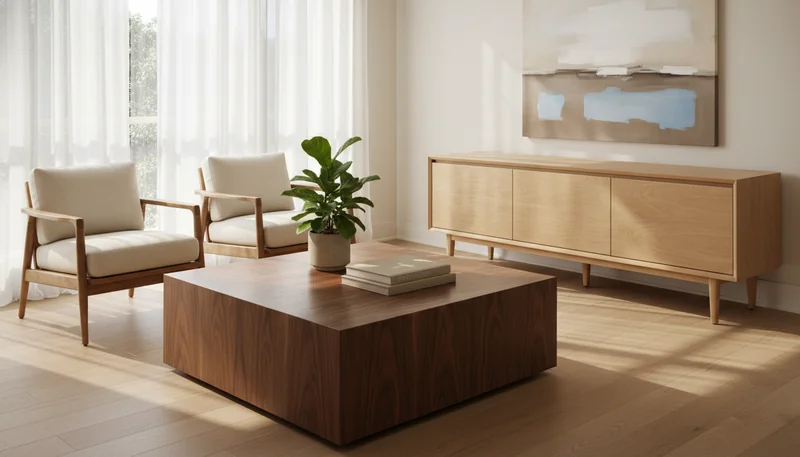
Old wooden furniture carries a reputation that modern furniture often struggles to earn. A century-old oak table can still stand firm in a family dining room. A walnut dresser can survive house moves, children, scratches, dry winters, and damp summers. A maple chair can loosen, get repaired, and return to daily use. That kind of survival makes people ask a fair question: did older furniture use better materials, or did modern manufacturing simply lower the standard?
The answer is not simple. Many older pieces lasted because they used dense hardwood, thick boards, hand-fitted joints, and repairable construction. They were not perfect. Some old furniture cracked, warped, split, or failed. Still, the best pieces were made with a long life in mind. They could be sanded, glued, refinished, re-jointed, and passed down.
Modern furniture has a mixed reputation because the cheapest examples are everywhere. Flat-pack shelves made from weak particleboard, tables with paper-thin veneer, and chairs held together by small metal fasteners have shaped public opinion. These pieces are easy to buy, easy to ship, and easy to replace. They are not built to become heirlooms.
Yet modern materials are not the enemy. Some are excellent. High-quality plywood, powder-coated steel, aluminum, compact laminate, bamboo panels, and recycled plastic lumber can outlast poor solid wood in the right setting. The real issue is not whether old wood is always better. The real issue is whether the material, construction, and purpose match.
A solid walnut cabinet made with weak joints can fail. A plywood cabinet made with thick panels, proper joinery, and a strong finish can last for decades. A cheap pine table may dent within weeks. A compact laminate tabletop in a busy café may survive years of spills, heat, cleaning, and impact. Material matters, but design and construction matter just as much.
Modern furniture can match old wooden furniture when makers use the right materials honestly. It can even beat old wood in moisture resistance, stability, hygiene, outdoor use, and heavy commercial settings. What it often lacks is repairability, warmth, and emotional aging. That gap explains why the debate remains so strong.
The Myth and Truth Behind Old Furniture
Old wooden furniture feels permanent because the best surviving examples were already the winners. Weak chairs, cheap cabinets, and poorly made tables from the past usually did not survive long enough to become antiques. What remains today is often the better work: dense wood, skilled joinery, and pieces valued enough to repair.
This creates a survival bias. People compare a 100-year-old oak dresser with a modern low-cost bookcase and assume all old furniture was better. That comparison is unfair, but the feeling behind it is understandable. A heavy old sideboard has weight, depth, and visible craft. A thin modern cabinet with plastic edge banding feels temporary from the first touch.
Older furniture also came from a different economy. Labor was cheaper in many periods, shipping expectations were different, and buyers often owned fewer pieces. A family might buy one strong dining table and keep it for decades. Today, furniture is often tied to moving, renting, fast design trends, and online delivery. Many pieces are made to fit inside a box, not to survive three generations.
Solid hardwood gave old furniture a major advantage. Oak, maple, walnut, beech, ash, teak, and mahogany can handle years of wear when cut, dried, and joined correctly. These woods have structure through the full thickness of the board. A scratch does not reveal a fake printed surface. A dent can sometimes be steamed out. A worn top can be sanded and refinished.
Old furniture also benefited from visible and repairable construction. A loose chair rail could be glued again. A drawer with dovetail joints could be cleaned, planed, and adjusted. A table leg could be tightened or replaced. The piece might show scars, but the scars became part of its life.
Modern furniture often hides its structure. Cam locks, staples, glue blocks, thin screws, and plastic brackets can be useful, but they do not always invite repair. Once a particleboard joint tears out, it is hard to restore its original strength. Once a printed surface peels, the damage is difficult to hide. Once a hollow-core panel dents, there is no real material beneath the skin to work with.
The old furniture advantage was not only wood. It was of repairable depth. The material had enough body to be worked again. The joints could be reached. The surface could age. That is why a good old table feels different from a new table that only looks wooden.
Still, old wood had weaknesses. Solid wood moves with humidity. Wide boards can cup or split. Old finishes can darken, crack, or become sticky. Insects can damage neglected pieces. Heavy furniture is hard to move. Some antique pieces were built for homes with different heating, cooling, and room layouts.
Modern materials developed partly to solve these problems. They can stay flatter, resist water better, reduce waste, and support lighter structures. The best modern furniture does not try to fake old wood. It uses new materials where they make sense and keeps repairability in mind where possible.
What Made Old Wooden Furniture So Durable
Traditional solid wood furniture lasted because it had three strengths working together: strong wood, strong joints, and enough material to repair. Remove one of those elements and the result changes.
Hardwoods gave many old pieces their toughness. Oak resists dents better than soft pine. Maple works well for chairs, tabletops, and butcher-block surfaces. Walnut offers stability, beauty, and workability. Beech bends well and appears often in chairs. Teak contains natural oils that help it resist moisture, which explains its long history in outdoor and marine use.
Thickness also mattered. Older tabletops, legs, drawer fronts, and rails often used more material than many modern pieces. A thick table apron can resist racking. A wide chair rail can carry stress from daily sitting. A solid drawer front can hold hardware for years. Thin material can be strong when engineered well, but cheap thin material fails fast.
Joinery played a major role. Mortise-and-tenon joints give chairs and tables strong mechanical connections. Dovetails lock drawer sides and fronts together. Dowels, pegs, splines, and bridle joints distribute force better than a screw driven into a weak board. Glue helped, but the joint itself carried much of the load.
Old furniture makers also respected wood movement. Solid wood expands and contracts across the grain. A good maker allowed tabletops, panels, and drawer bottoms to move without splitting the frame. Floating panels in cabinet doors are a clear example. The panel sits inside the frame and can move slightly as seasons change.
Repair kept furniture alive. A chair that wobbled after 40 years was not automatically trash. A craftsperson could disassemble the joint, clean it, reglue it, clamp it, and return it to use. A table with scratches could be sanded. A dresser with a damaged pull could receive new hardware. A cabinet with a broken drawer runner could be fitted with a replacement strip of wood.
Finishing also helped. Shellac, wax, oil, varnish, and later lacquer all had different strengths. Some finishes wore gracefully. Others could be refreshed. Many old pieces did not have thick plastic-like coatings. That made them more vulnerable to water rings, but easier to renew.
The best old furniture also had honest material. A solid oak table looked like oak because it was oak. A mahogany cabinet looked like mahogany because it used mahogany or thick veneer over strong secondary wood. Veneer itself was not a cheap trick. Fine veneer has been used for centuries. The problem comes when a beautiful surface sits over a weak core with little hope of repair.
Older furniture was not always comfortable or practical by modern standards. Some chairs are stiff. Some cabinets are too deep or too heavy. Some tables are too formal for casual use. Durability alone does not make a piece right for every home.
Still, the lesson is clear. Old furniture lasted because it respected material behavior. It did not depend on surface appearance alone. It had structure beneath the finish. Any modern material that wants to compete must meet that same standard.
Modern Materials That Deserve Respect
Modern furniture materials vary widely. Some are built for low price and short life. Others are strong, stable, and highly practical. The name of the material is not enough. Quality depends on grade, thickness, core, finish, edge treatment, fasteners, and how the piece is built.
High-quality plywood is one of the strongest modern furniture materials. It is made from thin layers of wood veneer glued with alternating grain direction. This structure gives it stability and strength. Good plywood resists warping better than wide solid boards. It works well for cabinets, shelving, desks, built-ins, chairs, and case goods.
Furniture-grade hardwood plywood can last for decades when protected from standing water and finished properly. Baltic birch plywood, when available in good grades, is known for dense layers and strong edges. It holds screws better than many cheaper panels and can be shaped into durable modern furniture. Plywood is not a lower material by default. Bad plywood is bad. Good plywood is a serious furniture stock.
Engineered wood has more than one category. Medium-density fiberboard, known as MDF, is smooth, stable, and useful for painted furniture, cabinet doors, and decorative panels. It does not hold screws as well as plywood and can swell if water enters. Still, in dry indoor settings, properly sealed MDF can perform well. It is often better than solid wood for painted flat surfaces because it does not show grain movement.
Particleboard sits lower on the durability ladder, but it also has grades. Cheap particleboards with poor edge protection fail quickly when exposed to moisture. Better industrial panels with strong laminate surfaces can work well in controlled environments. The problem is that many low-cost furniture brands use weak particleboard in parts that take stress, such as shelves, legs, and joints.
Laminated veneer lumber and other structural engineered woods are also worth noting. These materials use layers or strands of wood bonded into strong, predictable components. They appear more often in construction than in household furniture, but the same logic applies. Engineered wood can outperform solid wood when stability and strength are the goal.
Powder-coated steel is another modern material that can last for decades. Steel gives furniture strong frames, thin profiles, and resistance to heavy loads. A steel table base can handle constant commercial use. A steel chair frame can survive thousands of sit-downs if the welds and coating are good. Powder coating protects the metal from rust and gives a clean surface.
Steel has weaknesses. It can rust if the coating chips and moisture reaches the metal. Poor welds can crack. Thin tubes can bend. Cheap steel furniture may look strong but fail at joints. Still, well-made steel furniture can be tougher than many wooden pieces, especially in restaurants, schools, workshops, offices, and patios with proper finish protection.
Aluminum performs well where weight and rust resistance matter. It is common in outdoor furniture, café seating, modern shelving, and modular systems. Aluminum does not rust like steel, though it can corrode in harsh conditions. It is lighter than steel and easier to move. That makes it useful for furniture that must be rearranged often.
Aluminum can dent more easily than steel. It can also feel less substantial. A thin aluminum chair may rattle or flex if poorly built. A well-designed aluminum frame, however, can last for years with little maintenance. It is especially useful in humid climates or near pools where wood and untreated steel struggle.
High-pressure laminate is one of the most practical modern surfaces. It is made by pressing layers of paper or fiber with resin under heat and pressure. It creates a hard surface used on tabletops, counters, desks, cabinets, and commercial furniture. It resists stains, scratches, heat, and cleaning better than many wood finishes.
Compact laminate goes further. It is thick, dense, and structural enough to serve as a tabletop or panel without a separate wood core. It appears in schools, healthcare spaces, offices, and hospitality settings. It does not offer the warmth of walnut or oak, but it handles abuse. For a busy dining room, laminate can be a smart choice. This is why many restaurant chairs and tables use mixed materials rather than pure solid wood.
Phenolic panels are related to this world of resin-based durability. They resist moisture and impact and are often used in laboratories, locker rooms, commercial spaces, and outdoor applications. They are not romantic materials, but they are practical when cleaning, water, and hard use matter.
Bamboo is another modern furniture material, though humans have used bamboo for centuries. In panel form, bamboo can be pressed into boards that resemble wood. It grows quickly, has good strength, and can look clean and modern. Bamboo plywood and bamboo veneer can work well for cabinets, tables, and seating.
Bamboo quality varies. Poorly made bamboo panels can delaminate, dent, or use questionable adhesives. High-quality bamboo panels can be strong and attractive. Buyers should look at thickness, finish, manufacturer reputation, and whether the furniture uses bamboo as structure or only as a thin surface.
Recycled plastic lumber, often made from HDPE, is excellent for outdoor furniture. It does not rot, absorb water like wood, or need regular staining. It appears in Adirondack chairs, benches, picnic tables, and patio sets. It can sit outside through rain and sun with less care than most wood.
Plastic lumber has limits. It can expand with heat. It can look less refined than natural wood. Some colors fade over time. It is not always suitable for fine indoor furniture. Still, for a garden bench or poolside chair, it can be more durable than many wooden alternatives.
The best modern materials deserve respect because they solve real problems. They resist warping, moisture, stains, rust, and heavy use. They also reduce the need for rare hardwoods. But they must be judged by quality, not marketing names. A “wood-look” surface can be worthless. A well-made plywood or laminate piece can be excellent.
Where Modern Materials Beat Old Wood
Modern materials can outperform old wood in specific situations. This does not make them better in every way. It means they answer problems that solid wood does not always handle well.
Moisture is the first major example. Solid wood reacts to humidity. It expands, contracts, cups, and sometimes cracks. A well-built wooden piece can manage movement, but moisture remains a risk. In bathrooms, covered patios, coastal homes, restaurants, and kitchens, modern materials often perform better.
Compact laminate, phenolic panels, aluminum, and HDPE handle moisture with less drama. A recycled plastic outdoor chair can sit through rain without rotting. An aluminum frame can survive near a pool better than untreated steel or many woods. A compact laminate tabletop can be wiped many times a day without swelling at the surface.
Stain resistance is another advantage. A polished wood table can be beautiful, but coffee, wine, oil, heat, and cleaning chemicals can damage the finish. High-pressure laminate exists because homes and businesses need surfaces that tolerate mess. A laminate desk or table may not become more beautiful with age, but it can stay usable under rough daily conditions.
Stability matters in large flat panels. Solid wood doors, tabletops, and cabinet sides can move across the grain. Plywood and MDF stay flatter when made and installed correctly. This is why many high-end cabinets use plywood boxes with solid wood fronts. The structure stays stable, while the visible parts provide warmth.
Weight can also favor modern materials. Old furniture can be extremely heavy. That weight feels reassuring until someone has to move apartments, rearrange a dining room, or carry a cabinet upstairs. Aluminum, plywood, and tubular steel can create strong furniture with less mass. Lighter furniture is not always weaker when the engineering is right.
Commercial use often favors modern combinations. A busy café does not treat furniture gently. Chairs scrape across floors. Tabletops face heat, sugar, grease, laptops, children, and daily cleaning. A thick walnut tabletop may look beautiful, but it may not be the most practical choice for every business. A laminate top with a strong steel base can be easier to maintain and cheaper to repair.
Outdoor settings also favor modern materials. Teak, cedar, and ipe can perform well outside, but they cost more and still need care if the owner wants them to keep a certain appearance. HDPE, powder-coated aluminum, and certain coated steel frames can handle outdoor use with less maintenance. For many homeowners, that matters more than tradition.
Modern materials can also reduce waste when used well. Veneer over a strong core can make attractive furniture without using thick boards of rare hardwood. Plywood uses wood efficiently. Recycled plastic lumber gives waste plastic a long-term use. These benefits depend on responsible sourcing and manufacturing, but the potential is real.
Fire resistance, hygiene, and cleanability can also favor modern products. Healthcare facilities, schools, laboratories, and food service spaces often need surfaces that can be cleaned aggressively. Solid wood may not be the right material in those settings. Resin-based panels, metal, and sealed laminates often make more sense.
Modern materials beat old wood when performance is specific. If the furniture must resist rain, frequent cleaning, stains, impact, or heavy public use, new materials often have the edge. The mistake is expecting one material to win everywhere.
Where Modern Materials Still Fall Short
Modern furniture materials often struggle with aging. Old wood can become more beautiful when scratched, darkened, polished, and repaired. Many modern surfaces simply become damaged. A scratch in solid walnut can be softened. A chip in printed laminate may expose the core. A dent in hollow-core furniture may stay visible forever.
Repairability is the biggest weakness. Plywood can be repaired in some cases, but thin veneer limits sanding. MDF can be patched and painted, but damaged screw holes can be difficult. Particleboard can crumble around fasteners. Laminate can resist damage for years, but once it chips or burns, repair is limited.
Cheap modern furniture often fails at the edges. Edge banding peels. Corners swell. Screw holes tear out. Thin legs loosen. Plastic glides break. The visible surface may look fine at first, but the structure beneath it cannot handle repeated stress. This is where old solid wood has a clear advantage.
Veneer causes confusion. Good veneer is not bad. Some of the finest furniture ever made used veneer. The problem is the thin decorative veneer over the weak board. If the veneer is too thin, it cannot be sanded much. If the core swells, the surface lifts. If a corner chips, the repair is obvious.
Plastic furniture has its own aging problems. HDPE can be durable outside, but not all plastic is equal. Cheap plastic chairs can become brittle in sun, fade unevenly, or flex until the legs feel unsafe. Plastic also lacks the tactile depth of wood. It can be practical without feeling permanent.
Metal furniture can last, but it needs good finishing and design. Steel rusts when exposed. Powder coating helps, but chips must be managed. Weld quality matters. Hollow metal tubes can trap moisture if poorly sealed. Aluminum avoids rust but can dent and may feel cold or thin.
Laminate and compact laminate are strong, but they do not refinish like wood. They are surfaces of resistance, not surfaces of renewal. A laminate table can look nearly new for years, then look damaged after one bad chip. A wooden table may show marks sooner, but it can be brought back.
Modern furniture also suffers from fast style cycles. A piece may remain physically usable but feel outdated after a few years because it was designed around a trend. Old wooden furniture often has simple proportions that adapt to changing rooms. Many modern pieces chase a look too hard and lose relevance quickly.
Another issue is emotional connection. People repair furniture they care about. A solid oak table inherited from family invites effort. A cheap flat-pack desk rarely does. Durability is partly technical and partly emotional. If a piece does not feel worth repairing, it usually will not be repaired.
Modern materials can be excellent, but they often appear in furniture designed for replacement. That is the real problem. A strong material inside a disposable design is still disposable. A weak material inside a smart design may last longer than expected, but only within limits.
The Best Answer Is Often Hybrid Furniture
The strongest modern furniture often combines old and new thinking. It uses wood where touch, beauty, and repair matter. It uses engineered materials where stability, moisture resistance, or strength matter. This hybrid approach may be the closest modern answer to old wooden furniture.
A high-quality cabinet is a good example. The box may use thick plywood because it stays flat and handles screws well. The doors may use solid wood frames with floating panels. The drawer boxes may use plywood with strong joinery. The visible edges may use solid wood lipping. This mix can outperform a fully solid wood cabinet that moves too much with humidity.
A dining table can also benefit from mixed construction. A solid wood top gives warmth and repairability. A steel base gives strength and reduces wobble. Or the reverse may make sense in a commercial space: a compact laminate top with a cast iron or steel base. The right combination depends on the room.
Chairs often use hybrids well. A metal frame can carry stress. A wood seat and back can provide warmth. A plywood shell can create curved support without carving thick solid wood. Upholstery can add comfort and be replaced later. A chair does not need to be all one material to last.
Outdoor furniture benefits from mixed materials too. An aluminum frame with replaceable fabric slings can last if parts are available. A teak armrest on a metal frame can offer touch quality without making the whole piece heavy. HDPE boards with stainless steel fasteners can handle rain better than many wooden outdoor benches.
Office furniture often uses hybrid logic. Steel legs, plywood cores, laminate tops, and replaceable hardware can produce durable desks and tables. The result may not become a family heirloom, but it can survive daily use for years.
The key is honest design. Each material should do what it does best. Wood should not be used in a wet setting just because it looks traditional. Plastic should not pretend to be carved walnut. Laminate should be chosen for performance, not disguised as luxury. Steel should be protected from rust. Plywood should be thick enough for the job.
Hybrid furniture also allows better repair planning. A tabletop can be replaced while the base stays. A chair seat can be swapped while the frame remains. A cabinet door can be refinished while the box stays stable. Replaceable parts are one of the strongest signs of long-life furniture.
Old furniture lasted because makers understood the limits of wood. Modern furniture can last when makers understand the limits of every material they use. The best pieces are not nostalgic copies. They are practical objects built with respect for stress, touch, cleaning, movement, and repair.
How to Buy Furniture That Can Last 30 Years
Buyers can judge furniture better by looking past the surface. A piece that looks good online may fail quickly if the structure is weak. A piece that looks plain may last for decades if the materials and joints are right.
Start with the frame. Tables, chairs, sofas, and cabinets all need strong structure. A table should not wobble when pushed lightly from the corner. A chair should not twist when you shift your weight. A dresser should not rack from side to side when a drawer is open. Movement in the showroom usually becomes worse at home.
Check the joints. Strong furniture uses more than tiny screws in weak board. Look for mortise-and-tenon joints, dowels, corner blocks, welded frames, thick fasteners, or well-designed brackets. On chairs, the joints matter more than the surface. A beautiful chair with weak rails is a future repair job.
Look at the core material. Plywood usually beats cheap particleboard for cabinets, shelves, and structural panels. MDF works well for painted surfaces, but it should be sealed and kept away from water. Particleboard can be acceptable for low-stress furniture, but it should not be trusted for heavy shelves, moving parts, or damp rooms.
Inspect edges and corners. Many failures start there. Edge banding should sit tight with no gaps. Laminate should wrap cleanly or have a protected edge. Veneer should not lift. Solid wood edges on plywood can add durability. Exposed raw particleboard is a warning sign.
Consider the surface. Solid wood can be refinished. Thick veneer can sometimes be lightly sanded. Laminate resists damage but is difficult to renew. Painted MDF can be repainted if the structure remains sound. Metal can be touched up if rust is caught early. HDPE needs little care but cannot be refinished like wood.
Ask how the furniture will be used. A formal dining table used twice a week has different needs from a breakfast table used by children every morning. A bedroom dresser has different demands from a rental apartment dresser. A patio chair faces different problems than a reading chair. Durability depends on the setting.
Think about moisture. Bathrooms, kitchens, basements, patios, and coastal homes need more careful material choices. Solid wood can work, but it needs proper finish and airflow. Plywood with sealed edges, compact laminate, aluminum, and HDPE may be safer choices in wet conditions.
Check whether parts can be replaced. Can the tabletop be removed from the base? Can the chair glides be changed? Can the cushions be reupholstered? Can the drawer slides be replaced? Can the hardware be updated? Furniture with replaceable parts has a better chance of staying in use.
Look at weight, but do not trust weight alone. Heavy furniture can be strong, but cheap heavy particleboard can still fail. Light furniture can be durable when made from aluminum, plywood, or steel. Weight is only one clue. Structure matters more.
Avoid furniture that depends only on appearance. A printed wood grain is not the same as wood. A thin veneer over a weak board is not the same as furniture-grade plywood. A thick-looking tabletop may be hollow. A metal frame may be thin inside. Good furniture does not need to hide what it is.
For long-term value, buy fewer pieces with better construction. A strong table, good chairs, and a solid cabinet can outlast several rounds of cheap replacements. The upfront cost may be higher, but the cost per year can be lower. More importantly, better furniture feels better in daily use.
Modern materials can match old wooden furniture when they are chosen for the right reasons. High-quality plywood can be stable and strong. Steel can take heavy loads. Aluminum can resist outdoor moisture. Compact laminate can handle stains and cleaning. Bamboo can work well when made properly. Recycled plastic lumber can survive weather better than many natural materials.
Old wood still has a special advantage. It can age with character and invite repair. A well-made oak table or walnut dresser has depth that most synthetic surfaces cannot copy. But not every home, business, or budget needs solid hardwood everywhere.
The strongest answer is not to reject modern materials. The stronger answer is to reject weak construction. Old furniture lasted because it had substance beneath the surface. Modern furniture can do the same when it uses good materials, honest design, and repairable parts. A piece does not need to be old-fashioned to last. It only needs to be built with the same seriousness.
