
Introduction
Indoor bonsai trees bring elegance, greenery, and a sense of calm to homes and offices. Their compact size and artistic appearance make them a favorite among gardening enthusiasts and beginners alike. With proper care, these miniature trees can thrive for many years while becoming a stunning focal point in any space. Successful bonsai cultivation depends on understanding the tree’s needs, including light, watering, humidity, pruning, and regular maintenance. By following a consistent care routine, anyone can enjoy the beauty and satisfaction of nurturing a healthy bonsai that continues to grow stronger and more attractive over time.
Why Indoor Bonsai Are Popular
Miniature trees are appreciated for both their beauty and practicality.
Some key benefits include:
- Elegant decorative appeal
- Suitable for small spaces
- Long lifespan with proper care
- Relaxing gardening experience
- Easy to shape and maintain
- Improves indoor aesthetics
Their timeless appearance makes them an excellent addition to homes, offices, and gardens.
Choosing the Right Tree
Selecting a healthy specimen is the first step toward successful growth.
Look for these characteristics:
- Bright green foliage
- Strong trunk
- Healthy root system
- Balanced branch structure
- No visible pests
- Fresh, healthy leaves
A quality plant establishes more quickly and requires fewer corrective treatments.
Creating the Ideal Environment
Providing the proper growing conditions helps the tree remain healthy throughout the year.
Light
Place the tree where it receives several hours of bright, indirect sunlight each day. Avoid prolonged exposure to harsh afternoon sun if temperatures become excessive.
Temperature
Maintain a warm environment between 65°F and 85°F. Sudden temperature changes should be avoided whenever possible.
Humidity
Indoor air is often dry, so increasing humidity through misting or a humidity tray helps maintain healthy foliage.
Watering Correctly
Watering is one of the most important parts of bonsai care.
Follow these recommendations:
- Water when the upper soil begins to dry.
- Avoid waterlogged soil.
- Ensure proper drainage.
- Reduce watering during slower growth periods.
Consistent watering encourages healthy root development.
Fertilizing for Strong Growth
Nutrients are essential for maintaining vigorous growth.
Apply a balanced fertilizer during the growing season to encourage:
- Healthy leaves
- Strong roots
- Better branch development
- Consistent growth
Always follow the recommended application rates.
Proper Pruning Techniques
Regular pruning keeps the tree compact and attractive.
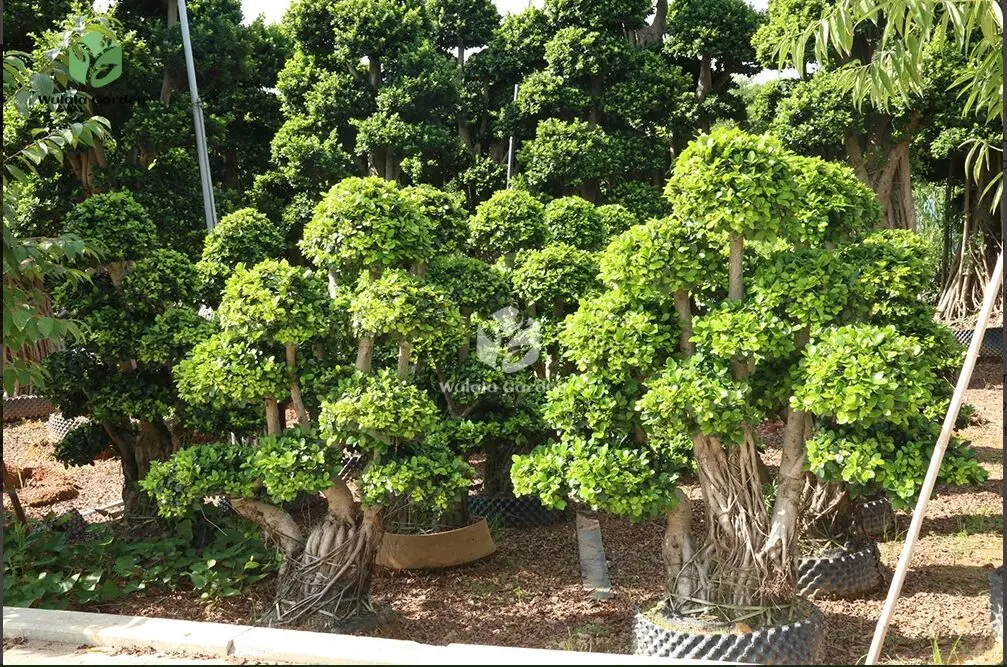
During routine maintenance, many enthusiasts choose chinese ficus because it responds exceptionally well to trimming, branch shaping, and leaf reduction, making it one of the most rewarding species for developing refined bonsai designs.
Benefits of pruning include:
- Improved branch structure
- Better airflow
- Controlled growth
- Enhanced appearance
- Increased sunlight penetration
Use clean, sharp tools to make smooth cuts.
Repotting Your Bonsai
Repotting refreshes the soil and prevents overcrowded roots.
Most indoor bonsai benefit from repotting every two to three years depending on their age and growth rate.
Fresh soil improves drainage while supplying better oxygen to the roots.
Common Problems
Healthy bonsai can occasionally develop issues if growing conditions change.
Yellow Leaves
Often caused by overwatering or poor drainage.
Leaf Drop
Usually occurs after sudden environmental changes or inconsistent watering.
Root Problems
Poor drainage may lead to root damage and reduced growth.
Pests
Inspect the leaves regularly for insects and treat infestations early before they spread.
Seasonal Care Tips
Each season requires small adjustments in maintenance.
Spring
- Resume regular fertilizing.
- Encourage new growth.
- Perform structural pruning.
Summer
- Monitor watering closely.
- Maintain humidity.
- Protect from extreme heat.
Autumn
- Reduce fertilizer gradually.
- Remove damaged leaves.
- Continue light maintenance.
Winter
- Water less frequently.
- Keep the tree warm.
- Provide adequate indoor light.
Seasonal care helps maintain consistent health throughout the year.
Conclusion
Growing an indoor bonsai is a rewarding hobby that combines patience, creativity, and proper plant care. Providing suitable light, balanced watering, regular pruning, and timely repotting helps maintain a healthy and attractive miniature tree for many years. With consistent attention and the right growing conditions, bonsai enthusiasts can enjoy a beautiful living centerpiece that adds character, tranquility, and natural beauty to any indoor environment.
FAQs
1. How often should an indoor bonsai be watered?
Water when the top layer of soil begins to dry while avoiding excessive moisture.
2. Can bonsai trees stay indoors all year?
Many tropical varieties grow successfully indoors when provided with sufficient light and humidity.
3. How often should bonsai be fertilized?
Feed during the active growing season using a balanced fertilizer according to the product instructions.
4. When should a bonsai be repotted?
Most trees benefit from repotting every two to three years to maintain healthy root growth.
5. Is bonsai suitable for beginners?
Yes. Several tropical species are easy to maintain and make excellent choices for first-time growers.
