
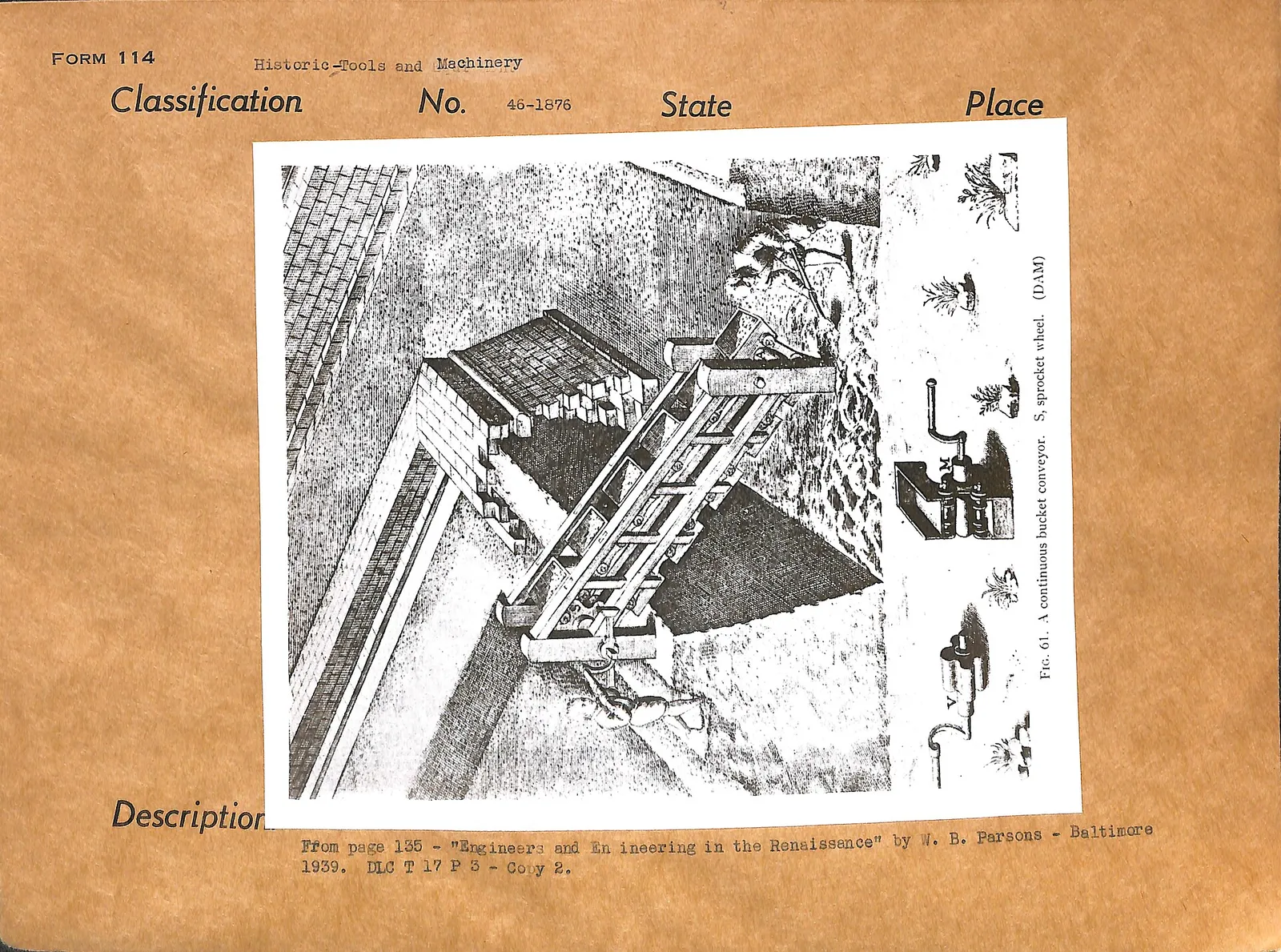
A vertical bucket elevator is one of those machines you barely notice when everything runs smoothly. But when a belt starts slipping, material piles up at the bottom, or a bearing overheats, the entire production line can suffer. In cement plants, fertilizer factories, and bulk material processing facilities, even minor equipment faults can quickly turn into expensive downtime.
Understanding common problems is essential for maintaining reliable operations. Whether you’re operating a Fertilizer Bucket Elevator or a heavy-duty TONGLI Bucket Elevator, identifying warning signs early can prevent serious mechanical damage. Cementl provides industrial conveying solutions designed for demanding production environments, making proper troubleshooting and preventive maintenance especially important.
Understanding How Vertical Bucket Elevators Work
A bucket elevator transports bulk materials vertically using buckets attached to a continuous belt or chain. Material enters through the lower inlet, travels upward inside an enclosed casing, and exits through the discharge outlet.
The system depends on properly aligned moving components, consistent feeding, and adequate drive power.
In a Fertilizer Bucket Elevator, materials such as NPK granules and organic fertilizer require careful handling because moisture, dust, and material buildup can affect performance.
A TONGLI Bucket Elevator may use different conveying configurations depending on the application, including plate chain, round-link chain, and steel cord belt designs.
Common Bucket Elevator Problems and Their Solutions
Belt Slipping or Chain Tension Problems
Belt slipping is a common issue in vertical conveying systems. It usually occurs when belt tension is insufficient, pulley surfaces are worn, or the equipment is overloaded.
Operators may notice reduced conveying capacity, abnormal noise, or unexpected speed changes.
The solution begins with checking material feed rates and inspecting the drive system. Maintenance technicians should verify belt tension according to manufacturer specifications and examine pulley lagging for wear.
For chain-driven equipment, inspect chain tension, sprockets, and associated components.
Avoid overtightening, as excessive tension can damage bearings and other mechanical parts.
Material Blockage at the Elevator Boot
Material accumulation in the boot section can interrupt operation and place additional strain on the drive motor.
This problem is particularly relevant to a Fertilizer Bucket Elevator because damp or sticky materials may accumulate around the inlet.
Common causes include excessive feeding, restricted discharge openings, and material buildup.
After safely shutting down and isolating the equipment, maintenance personnel should inspect the boot and remove accumulated material using approved procedures.
Adjusting the upstream feed rate and maintaining clear discharge pathways can reduce repeated blockages.
Belt Misalignment and Excessive Wear
A misaligned belt may rub against the elevator casing, causing premature wear and potentially damaging the buckets.
Possible causes include uneven tension, pulley misalignment, worn bearings, and incorrect installation.
For a TONGLI Bucket Elevator equipped with a belt-driven system, technicians should inspect belt tracking, pulley positioning, and shaft alignment.
Any adjustments must follow the manufacturer’s maintenance procedures. Persistent misalignment may indicate structural or bearing-related problems that require further investigation.
Why Bucket Elevators Overheat or Vibrate
Bearing Overheating
Excessive bearing temperature is often associated with lubrication problems, contamination, misalignment, or excessive mechanical loading.
Regular temperature monitoring helps identify abnormal operating conditions before bearings fail.
Inspect lubrication levels and follow the recommended maintenance schedule. Overlubrication can also create problems, so applying the correct lubricant quantity is important.
Unusual Vibration and Mechanical Noise
Unexpected vibration can indicate loose fasteners, worn bearings, damaged buckets, or misaligned rotating components.
A TONGLI Bucket Elevator operating under heavy industrial loads should be monitored for changes in vibration and noise.
When unusual conditions appear, stop the equipment safely and investigate the source rather than continuing production until a major failure occurs.
Troubleshooting Material Spillage and Poor Discharge
Material falling back into the elevator instead of exiting through the discharge outlet is commonly called backlegging.
This problem reduces conveying efficiency and can increase equipment wear.
Potential causes include incorrect operating speed, unsuitable bucket spacing, blocked outlets, or improper discharge arrangements.
For a Fertilizer Bucket Elevator, material moisture and flow characteristics can also influence discharge performance.
Technicians should inspect the outlet, evaluate operating speed, and confirm that the equipment configuration matches the material being transported.
Avoid changing operating parameters without checking the manufacturer’s recommendations.
Preventive Maintenance for TONGLI Bucket Elevator Systems
Preventive maintenance is generally more economical than responding to repeated breakdowns.
Cementl offers TONGLI conveying equipment for industries including fertilizer manufacturing, cement production, and bulk material processing.
Routine inspections should focus on belt or chain condition, bucket attachments, bearings, drive components, and material accumulation.
A Fertilizer Bucket Elevator also requires attention to corrosion, moisture exposure, and buildup around material-contact surfaces.
Depending on the selected configuration, corrosion-resistant components and appropriate material-handling designs can help improve service life.
Before maintenance, equipment must be stopped, isolated from electrical and mechanical energy, and secured against unexpected movement according to the facility’s lockout/tagout procedures.
These precautions are particularly important when accessing enclosed conveying systems.
When Should You Repair or Replace Bucket Elevator Components?
Not every equipment problem requires a complete replacement. Minor wear, incorrect tension, and removable material buildup may be addressed through routine servicing.
However, severely damaged belts, cracked buckets, worn sprockets, or failing bearings require prompt professional evaluation.
For a TONGLI Bucket Elevator, using compatible replacement components helps maintain the intended operating characteristics.
Cementl can be consulted for equipment specifications, application requirements, and suitable conveying configurations when upgrading or replacing industrial systems.
Conclusion: Keep Your Bucket Elevator Running Efficiently
Reliable vertical conveying depends on proper operation, timely inspections, and effective troubleshooting.
Problems such as belt slipping, material blockage, misalignment, overheating, and poor discharge can seriously affect productivity if ignored.
Whether maintaining a Fertilizer Bucket Elevator or operating a TONGLI Bucket Elevator, early fault detection helps reduce unplanned downtime and unnecessary repair costs.
Cementl provides industrial bucket elevator solutions for demanding bulk material applications. Explore the available equipment options and consult qualified technical specialists to develop a maintenance approach suited to your production requirements.
Also read: Top 10 Vertical Video Editing Suites Optimized for Seedance 2.5
With consistent monitoring and proper maintenance, facilities can improve equipment reliability, protect critical components, and maintain smoother material flow throughout their operations.
