
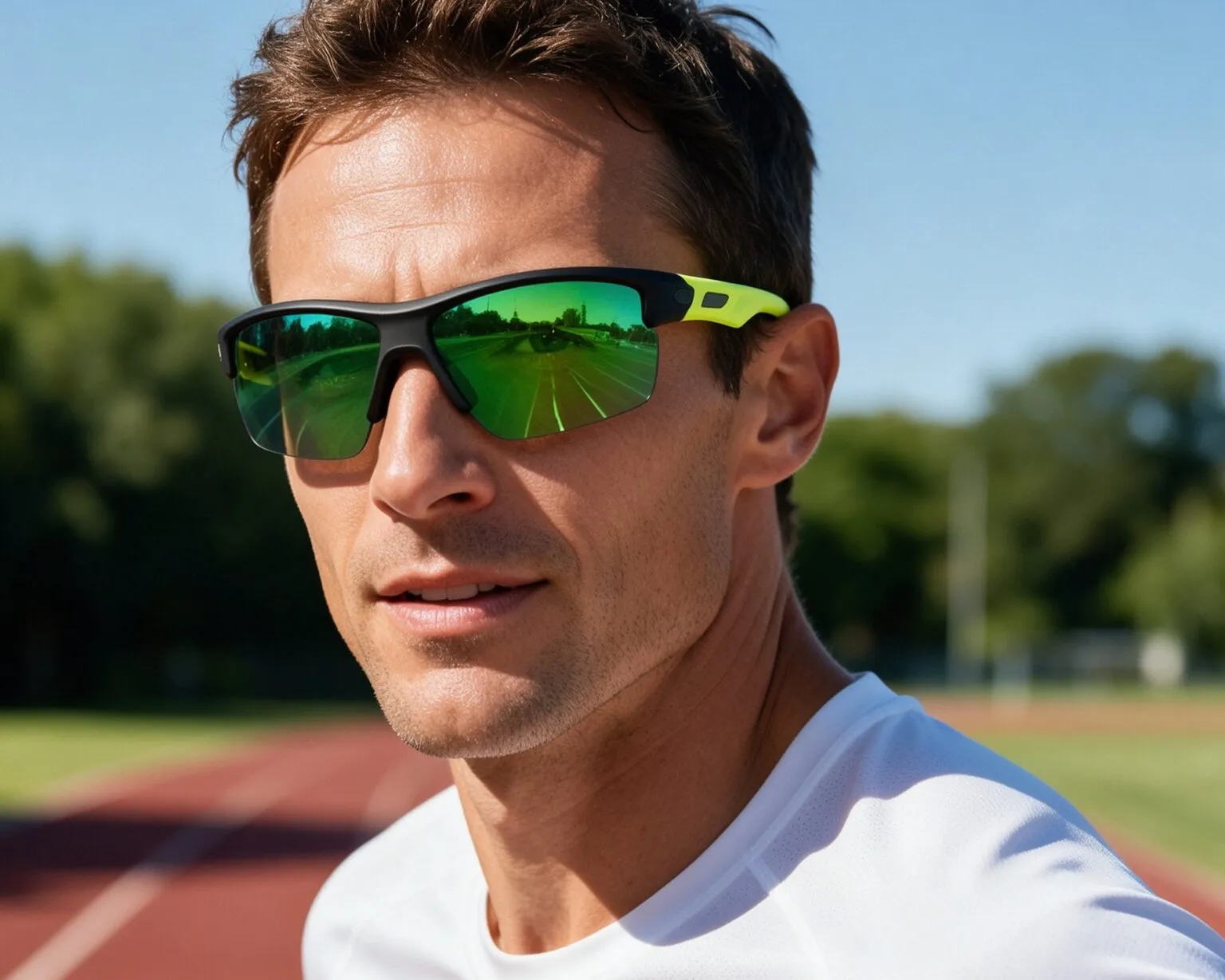
Running places different demands on eyewear than everyday use. Frames need to stay secure through repetitive movement, lenses must provide clear vision across changing terrain, and the design should remain comfortable during longer sessions. Prescription running sunglasses combine vision correction with features intended for outdoor activity, helping runners see clearly without constantly adjusting their glasses.
The right pair depends on prescription strength, face shape, running conditions, and personal comfort. Lens quality matters, but so do frame stability, ventilation, coverage, and protection from ultraviolet (UV) radiation. Evaluating these factors together makes it easier to choose eyewear that supports consistent performance.
What Makes Prescription Running Sunglasses Different?
Ordinary prescription glasses may work for walking or daily errands, but running introduces repeated impact, sweat, wind, and rapid changes in head position. Frames that fit comfortably while sitting still can slip or bounce once movement begins.
Running eyewear is designed to address these practical challenges. Features such as lightweight frames, secure nose pads, curved designs, and non-slip temple grips can help keep glasses in position. The aim is to maintain stable vision without adding pressure or distraction.
Key Features to Compare
|
Feature |
Why It Matters for Runners |
|---|---|
|
Secure frame fit |
Reduces slipping and repeated adjustments |
|
Lightweight construction |
Helps limit pressure during long runs |
|
Optical accuracy |
Supports clear, consistent vision |
|
UV protection |
Helps protect the eyes from harmful ultraviolet radiation |
|
Lens coverage |
Reduces exposure to wind and peripheral sunlight |
|
Ventilation |
Helps manage fogging during exertion |
No single feature guarantees a good experience. A lightweight frame can still fit poorly, and a curved lens may need a suitable optical design to provide clear vision across the viewing area.
How to Choose Prescription Running Glasses That Fit
Fit should be assessed while considering how the glasses will behave during movement. A frame that is too wide may slide down, while excessive pressure at the temples or bridge can become uncomfortable after several kilometers.
The frame should sit securely without pinching. Nose pads and temple ends should help stabilize it without creating painful pressure points. If possible, try the glasses while jogging lightly or moving your head in different directions to check for bouncing and slipping.
Match Lens Tint to Your Running Conditions
Tint affects how much visible light reaches the eyes and how the environment appears. The best option depends on when and where you run, rather than simply choosing the darkest lens available.
For bright midday runs, darker tints may improve comfort. In overcast weather or shaded routes, a lighter lens may preserve useful visibility. Contrast-enhancing tints can help some runners distinguish changes in terrain, but the effect varies with the lens and lighting conditions.
UV protection should be considered separately from darkness. A dark lens does not automatically provide adequate UV protection, so check the product specifications.
Which Lens Features Should You Consider?
- UV protection: Important for regular outdoor running, including on cloudy days.
- Polarization: Can reduce reflected glare from surfaces such as roads and water, though it may affect how some digital displays appear.
- Contrast enhancement: May help distinguish terrain features in certain lighting conditions.
- Photochromic technology: Adjusts lens tint in response to light, although the speed and degree of change vary.
- Anti-reflective coatings: Can reduce reflections from the lens surfaces, depending on the coating design.
Your route and schedule should guide the decision. A runner who trains before sunrise may need a different lens solution from someone who runs on exposed roads in bright afternoon sunlight.
Prevent Slipping, Sweat, and Fogging
Sweat can reduce grip at the bridge and temples, causing glasses to move during a run. A secure fit and suitable nose-pad materials can help, while lightweight construction reduces the feeling of constant movement.
Fogging is another common problem. Heat from the face, humidity, low airflow, and sudden changes in temperature can cause condensation on the lenses. Frames with adequate ventilation may help air circulate, although performance depends on the design and conditions.
For longer sessions, prescription running sunglasses designed for comfort and clarity should be evaluated for both stable fit and reliable vision in changing outdoor conditions. Cleaning the lenses correctly and keeping them free from sweat residue can also help maintain visibility.
Are Wraparound Frames the Best Option?
Wraparound frames are popular for running because they can provide broader coverage against wind, sunlight, and airborne debris. They may also help limit light entering from the sides, which is useful on exposed routes.
However, more curvature is not automatically better. Some prescriptions are harder to accommodate in highly curved frames, and an unsuitable lens design can cause peripheral distortion or visual discomfort. Frame selection should balance coverage with the optical requirements of the wearer.
Runners who need substantial prescription correction should prioritize verified compatibility over appearance. A slightly less curved frame that delivers accurate, comfortable vision may be more practical than a highly contoured design that does not suit the prescription.
How to Compare the Best Running Sunglasses for Your Needs
The best running sunglasses are those that match your prescription, training environment, and comfort requirements. Rather than judging eyewear by appearance or price alone, compare the features that affect how it performs on your usual routes.
Use this quick decision guide:
|
Running Need |
What to Prioritize |
|---|---|
|
Long-distance training |
Low weight, stable fit, comfortable contact points |
|
Bright, exposed routes |
Reliable UV protection, suitable tint, glare management |
|
Trail running |
Clear terrain visibility, secure fit, appropriate coverage |
|
Early morning runs |
Adequate visibility in low light |
|
High prescription |
Accurate optical design and frame compatibility |
|
Hot, humid conditions |
Secure grip and effective ventilation |
CA Glasses offers eyewear options for people who need prescription correction alongside features intended for active use. When comparing products, look closely at lens specifications, frame fit, prescription compatibility, and the conditions for which the eyewear is designed.
Conclusion
Choosing running eyewear requires a balance of optical accuracy, comfort, stability, lens performance, and appropriate UV protection. A pair that looks suitable in a product image may still be uncomfortable or optically unsuitable once worn during a real run.
Visit this website: Top 10 AI Video Generators for Cinematic Short Films in 2026
Start with your prescription and typical running conditions, then assess frame fit, lens tint, coverage, and ventilation. The most useful choice is the one that maintains clear, comfortable vision throughout your training without repeated adjustments or unnecessary distractions.
