
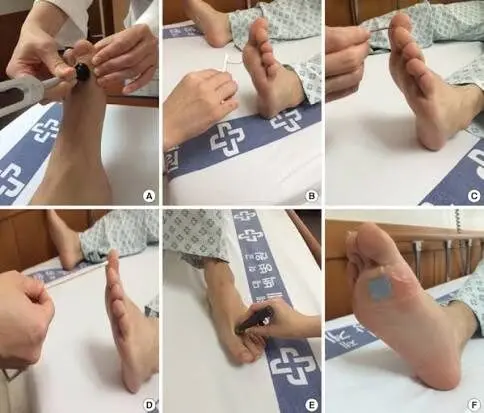
Persistent tingling, burning sensations, numbness, or unexplained pain in the hands and feet should never be ignored. These symptoms can signal nerve damage that requires professional attention. A comprehensive assessment aids in assessing the severity of the illness, identifying risk factors, and developing a customised symptom management strategy. Knowing what to expect before your appointment can make the experience less stressful and more productive.
Preparing for Your Appointment
Before the evaluation, your healthcare provider may ask you to gather information about your symptoms. It can be helpful to note when the discomfort began, which activities make it better or worse, and whether it affects your daily routine. Bringing a list of medications, previous medical conditions, and recent blood sugar readings can also provide valuable insight during the assessment.
Sharing these details allows the provider to better understand how neuropathy is affecting your overall health and lifestyle.
Understanding Symptom Patterns
One of the most important parts of the evaluation is identifying symptom patterns. Your provider may ask whether the numbness occurs only at night, if the pain travels up your legs, or whether weakness has developed over time.
Recognising these patterns helps distinguish diabetic nerve damage from other conditions that may produce similar symptoms. Even small details can play a significant role in reaching an accurate diagnosis.
Evaluating Everyday Function
An evaluation often includes questions about your daily activities. Your provider may ask whether you have difficulty climbing stairs, maintaining balance, driving, or completing routine household tasks.
These discussions help determine how much the condition has progressed and whether additional therapies may improve independence and mobility. Functional limitations often provide clues that standard medical tests alone cannot reveal.
Examining Foot Health
People with diabetes are at greater risk of developing foot complications because reduced sensation may prevent them from noticing cuts, blisters, or pressure sores.
During the examination, the provider carefully checks the feet for skin changes, circulation, deformities, and signs of infection. Healthy foot care is an important part of preventing future complications and maintaining long-term mobility.
Identifying Possible Risk Factors
An effective evaluation looks beyond diabetes alone. Lifestyle habits, smoking history, alcohol consumption, nutritional status, and other chronic illnesses may contribute to nerve damage.
By identifying these risk factors, healthcare providers can recommend meaningful changes that may slow further nerve deterioration while supporting overall wellness.
Creating an Individualised Management Strategy
Every patient experiences nerve damage differently, which is why treatment should never follow a one-size-fits-all approach. After reviewing examination findings and diagnostic results, the provider explains available options based on each patient’s condition and health goals.
An effective diabetic neuropathy treatment plan may include blood sugar management, medication adjustments, exercise recommendations, physical therapy, nutritional support, and strategies to reduce discomfort while improving daily function.
Setting Expectations for Follow-Up Care
The first evaluation is often the beginning of an ongoing care plan rather than a single appointment. Follow-up visits allow healthcare providers to monitor symptom progression, evaluate how well treatments are working, and make adjustments when necessary.
Regular assessments also help detect new concerns before they become more serious, giving patients the best opportunity to maintain nerve health over time.
Conclusion
A diabetic neuropathy evaluation provides far more than a diagnosis. It offers a complete understanding of how nerve damage affects your body, daily activities, and future health. Through careful assessment, personalised recommendations, and continued monitoring, patients can gain greater confidence in managing their condition. South Valley Neurology is committed to providing comprehensive evaluations that help individuals receive timely care, better understand their symptoms, and take informed steps toward protecting their long-term nerve health.
