
Walk into any gym locker room and the conversation about laser hair removal tends to fall somewhere between uninformed scepticism and outright myth. Most men who have never looked into it seriously are working from secondhand information, assumptions carried over from procedures designed for different skin types, or outdated knowledge about technology that has advanced considerably in the past decade. The result is a lot of confident misinformation circulating among people who would genuinely benefit from understanding what the procedure actually involves.
Laser hair removal is now one of the most commonly performed cosmetic procedures in Australia, and men represent a growing proportion of the people choosing it. Getting past the myths is the first step toward making an informed decision about whether it is right for you.
Myth One: It Only Works on Women
This is probably the most persistent misconception, and it has no basis in how the technology actually works. Laser hair removal targets the melanin in the hair follicle, heating it to a temperature that disrupts the follicle’s ability to produce hair. That process is entirely indifferent to the gender of the person receiving it.
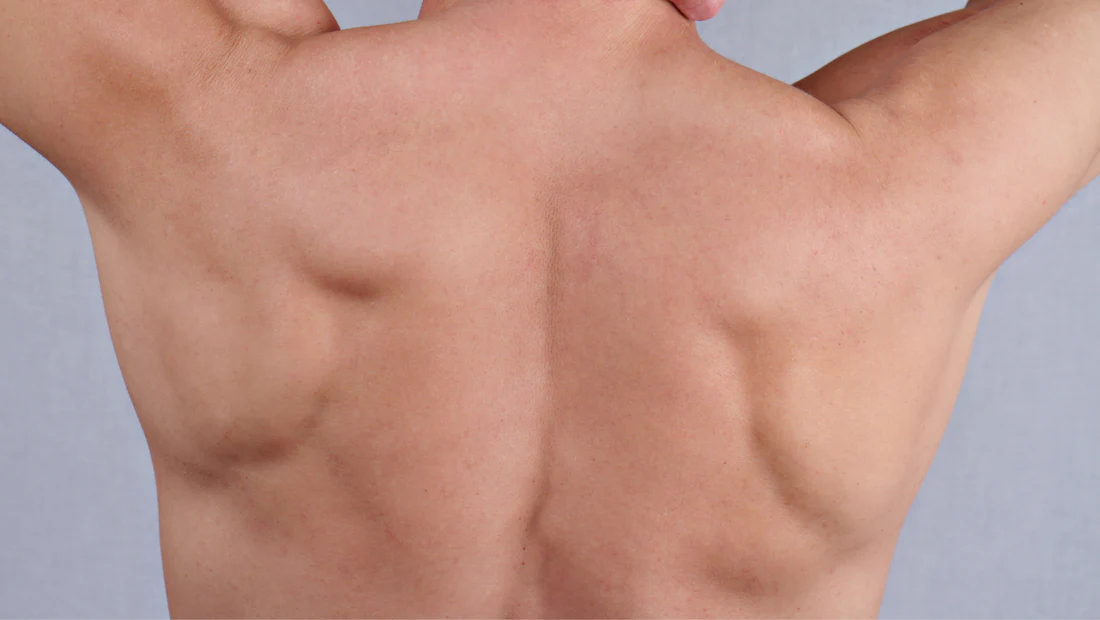
What does matter is the contrast between hair colour and skin tone, the coarseness of the hair being treated, and the density of growth in the target area. Men typically have coarser, denser hair than women in many treatment areas, which actually means the laser has more to work with and can be very effective. The back, shoulders, chest, neck, and beard line are all commonly treated areas for men, and results in these areas are often excellent precisely because the hair tends to be darker and more substantial.
The idea that laser hair removal is a feminine procedure is a cultural assumption, not a clinical one. The technology does not know or care about the distinction.
Myth Two: The Pain Is Unbearable
Pain tolerance is subjective, and honest accounts of the sensation vary. What most people describe is a feeling similar to a rubber band snapping against the skin, repeated across the treatment area. It is not comfortable, but the overwhelming majority of people who have the procedure done find it entirely manageable, particularly with modern laser systems that incorporate cooling mechanisms to reduce surface discomfort.
Treatment sessions are also relatively brief. Smaller areas like the upper lip or neckline take only a few minutes. Larger areas like the back or chest take longer but are typically completed within an hour. The transient discomfort of the procedure needs to be weighed against the permanent reduction in the time and cost of ongoing hair removal through shaving, waxing, or other methods.
Pain perception also tends to decrease with subsequent sessions as the hair density reduces and less follicle activity is present to respond to the laser energy.
Myth Three: It Does Not Work on Dark Skin or Light Hair
This misconception has more historical basis than the others, but it refers to technology that is no longer the standard of care. Early laser systems worked on a narrow range of skin and hair combinations, and people with darker skin tones were correctly advised that certain lasers posed a risk of surface burns because the laser energy was absorbed by the skin rather than selectively by the hair follicle.
Modern laser systems, particularly Nd:YAG lasers with longer wavelengths, have substantially expanded the range of skin tones that can be safely and effectively treated. A qualified clinic will assess your specific skin and hair characteristics and select the appropriate technology and settings for your individual profile rather than applying a one-size-fits-all approach.
The limitation around light hair does remain relevant. Laser hair removal relies on melanin contrast, which means very blonde, grey, or white hair does not respond as well as darker hair regardless of skin tone. For men with predominantly dark body hair, which covers the majority of candidates interested in the procedure, this limitation is rarely the determining factor.
Myth Four: One Session Is Enough
Hair grows in cycles, and laser hair removal only affects follicles in the active growth phase at the time of treatment. Because a proportion of follicles are always in resting or transitional phases, a single session will never treat all of the hair in a given area. Multiple sessions spaced at appropriate intervals are necessary to progressively address follicles across all growth phases.
The number of sessions required varies by treatment area, hair density, and individual response to the laser, but most people achieve their desired result across a course of several sessions. Understanding this upfront avoids the disappointment of expecting permanent clearance from a single appointment.
For quality mens laser hair removal results, a thorough consultation that sets realistic expectations about the number of sessions required and the timeline for results is a mark of a reputable clinic.
Myth Five: It Is Not Worth the Cost
The cost comparison that matters is not between a single laser session and a single trip to the barber or a single box of razors. It is between the cumulative lifetime cost of ongoing hair removal by conventional methods and the one-time investment in a course of laser treatment.
Men who shave daily spend a significant amount of money on razors, shaving products, and their time over the course of a decade, and they achieve only temporary results. Men who wax regularly face recurring appointments and the associated costs indefinitely. Laser hair removal reduces or eliminates that ongoing expenditure entirely for the areas treated.
Accessing laser hair removal in Melbourne CBD through a reputable provider with transparent pricing allows for accurate cost comparison. VicLaser offers detailed pricing information that makes it straightforward to assess the genuine cost of a full course of treatment against the long-term alternative.
Making an Informed Decision
The gym talk version of laser hair removal bears little resemblance to the clinical reality. The procedure is safe, effective, increasingly affordable, and genuinely suited to men across a wide range of skin tones and hair types. The myths that surround it are a product of outdated information and cultural assumptions rather than anything inherent to the technology or the results it delivers.
An honest consultation with a qualified laser clinic is the most reliable way to move from secondhand opinion to accurate, personalised information about what the procedure can realistically achieve for your specific situation.
