
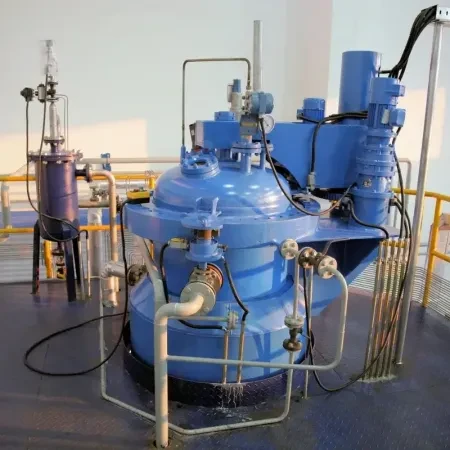
When plant managers evaluate process reactors for chemical or pharmaceutical production, the quoted price dominates early conversations. Yet material compatibility—the match between vessel metallurgy and process chemistry—determines whether that reactor delivers decades of reliable service or becomes a maintenance nightmare within months. Understanding corrosion mechanisms, temperature limits, and alloy trade-offs separates successful equipment purchases from costly mistakes.
The Hidden Cost of Material Incompatibility
A reactor fails when its construction materials cannot withstand the chemical environment inside. Acidic formulations attack carbon steel. Chloride ions pit stainless steel. High-temperature oxidation degrades standard alloys. Each failure mode follows predictable chemistry, yet procurement teams frequently prioritize vessel capacity and agitation specifications while treating material selection as an afterthought.
The consequences compound quickly. Localized corrosion creates contamination that ruins product batches. Stress corrosion cracking forces unplanned shutdowns. Pitting corrosion progresses from pinhole leaks to catastrophic failures. A reactor purchased for $150,000 can generate $2 million in lost production, emergency repairs, and regulatory penalties when material selection proves inadequate.
Common Reactor Materials and Their Limits
Glass-lined reactors offer exceptional corrosion resistance across a wide pH range, making them workhorses in pharmaceutical synthesis and fine chemical production. The glass coating resists most acids, bases, and organic solvents at temperatures up to 200°C. However, the glass layer chips under mechanical impact, and repairs require specialized facilities. Thermal shock—rapid temperature changes exceeding 100°C—can crack the lining irreparably.
Stainless steel 316L handles many organic solvents and moderate concentrations of some acids. Its austenitic structure resists stress corrosion cracking better than 304 grades, and the low carbon content minimizes carbide precipitation during welding. Yet chloride concentrations above 25 ppm at elevated temperatures initiate pitting corrosion. Pharmaceutical processes using hydrochloric acid or saline solutions require more resistant alloys.
Nickel-based superalloys like Hastelloy C-276 deliver superior performance in aggressive environments. This alloy withstands hydrochloric acid, sulfuric acid, and chlorine-containing compounds that destroy stainless steel. The high nickel and molybdenum content provides exceptional resistance to both oxidizing and reducing media. However, Hastelloy reactors cost three to four times more than equivalent stainless steel vessels, and welding requires careful heat input control to prevent precipitation of secondary phases.
Matching Material to Process Chemistry
Effective material selection begins with comprehensive process analysis. Document every chemical species present during reaction, including intermediates and residual cleaning agents. Note temperature ranges, concentration fluctuations, and pressure excursions. Identify whether conditions are predominantly oxidizing or reducing—this distinction determines whether passive oxide films protect the metal surface or dissolve away.
Corrosion tables provide initial screening but rarely tell the complete story. Published data typically reflect specific test conditions: particular concentrations, temperatures, and exposure durations. Real manufacturing environments combine multiple corrosive species, cycling temperatures, and mechanical stresses that accelerate attack beyond handbook predictions. Laboratory corrosion testing with actual process fluids catches incompatibilities before they reach production scale.
Temperature profoundly influences corrosion rates. Doubling the temperature often increases corrosion rates by factors of five to ten. A stainless steel reactor handling acetic acid at 60°C may perform acceptably, while the same combination at 120°C corrodes rapidly. Material specifications must account for maximum process temperatures plus safety margins for control system failures or exothermic reaction runaways.
Strategic Equipment Sourcing Considerations
New reactor fabrication requires six to eighteen months from purchase order to delivery, consuming significant capital budget. This timeline leaves little room for error—discovering material incompatibility after installation means months of lost production while a replacement vessel is built. Plant expansions and production scale-ups often cannot absorb such delays.
The used and surplus equipment market offers an alternative that experienced process engineers increasingly leverage. Specialized suppliers like International Process Plants maintain inventories of reconditioned glass-lined reactors, stainless steel vessels, and specialized alloy equipment that can ship within weeks rather than quarters. These units often come from pharmaceutical and chemical plants that upgraded capacity or discontinued product lines, providing access to high-specification equipment at substantial discounts. The key is verifying that existing material specifications match your process requirements—a well-maintained Hastelloy reactor from surplus inventory delivers identical performance to a new unit at a fraction of the cost.
However, purchasing used equipment demands more rigorous inspection than buying new. Request detailed maintenance records showing cleaning procedures, repair history, and previous process applications. Physical inspection should document the condition of the reactor lining, nozzle threads, agitator shaft straightness, and seal surfaces. For glass-lined vessels, conduct a high-voltage holiday test to detect coating defects invisible to visual inspection.
Integration with Auxiliary Equipment
Reactor material selection cascades through the entire process train. Transfer pumps must handle the same corrosive media, requiring compatible wetted materials. Heat exchanger tubes need equivalent corrosion resistance—a Hastelloy reactor paired with stainless steel coils creates a weak point where process fluids attack the less resistant material. Piping, valves, and instrumentation all require materials compatible with both the process chemistry and the reactor metallurgy.
This system-wide compatibility extends to pump selection and maintenance protocols. Centrifugal and positive displacement pumps serving reactors must be specified with appropriate materials for seal faces, impellers, and casings. Using a titanium reactor while feeding it through cast iron pumps defeats the purpose of the exotic metallurgy—the iron contamination from pump wear damages both product quality and downstream catalyst systems.
Long-Term Performance Monitoring
Even properly specified reactors require surveillance to catch developing problems before they escalate. Establish baseline thickness measurements at multiple locations using ultrasonic testing, then repeat these measurements annually. Corrosion rates below 0.1 mm per year generally indicate acceptable performance, while rates exceeding 0.5 mm per year signal the need for process modifications or material upgrades.
Monitor process conditions for drift that might increase corrosivity. Gradual increases in chloride contamination from raw materials, higher operating temperatures from fouled heat exchangers, or extended batch hold times all accelerate corrosion beyond design assumptions. Installing corrosion coupons—small metal specimens that can be periodically removed and weighed—provides early warning of changing conditions.
Making the Right Choice
Reactor material selection represents a trade-off between initial cost, corrosion resistance, and mechanical properties. Glass-lined reactors excel in broad chemical resistance but require careful handling. Stainless steel offers good performance at moderate cost within its limits. Exotic alloys provide unmatched durability in aggressive service but demand higher investment.
The optimal choice depends on specific process requirements, production volumes, and risk tolerance. A pilot plant running exploratory chemistry benefits from versatile glass-lined equipment. A high-volume commodity chemical plant justifies custom Hastelloy reactors that will run continuously for decades. Contract manufacturers handling diverse chemistries need flexible equipment that accommodates varying process demands.
What remains constant is that material compatibility determines long-term success. Purchasing the wrong reactor—no matter how attractive the price—generates costs that dwarf the initial savings. Investing time in thorough material selection, whether for new or reconditioned equipment, protects both production reliability and bottom-line profitability.
